

In this article, I present an intriguing perspective that deepens our understanding of what it truly means to fear the LORD.
Countless teachings and resources have explored this subject. Pastors, theologians, and believers generally agree that fearing God goes beyond mere dread—it embodies a deep reverence and awe for the Almighty.
This reverence stems from recognizing God’s unmatched authority—His power to create and destroy, His infinite wisdom, and His sovereign rule over all things. The fear of the LORD is not rooted in terror, but in acknowledging His holiness and responding with obedience, humility, and honor.
Solomon, the wisest man to ever live, provides a powerful reflection on this concept. In the book of Ecclesiastes, he recounts a life filled with opulence and indulgence—lavish parties, fine cuisine, grand architecture, music, and treasures of gold. Yet after experiencing all that life had to offer, he arrived at a sobering conclusion:
Ecclesiastes 12:13 NLT
That’s the whole story. Here now is my final conclusion: Fear God and obey His commands, for this is everyone’s duty.
1. Why We Need To Fear The LORD
As I was meditating on this subject, I discovered a verse that added a new layer of understanding on what it means to fear the LORD.
The verse is found in Ecclesiastes 3:14.
“God’s purpose is that all people should fear Him.”
This verse just blew my mind! This means that God’s purpose is intertwined with the lives of all people.
Another verse reads, “Many are the plans in a person’s heart, but it is the Lord’s purpose that prevails” (Proverbs 19:21).
Bringing these two verses together—Ecclesiastes 3:14 and 12:13—it becomes clear that God’s divine purpose is that all people should fear Him, and His purposes will always prevail. The fear of the LORD is not merely a suggested attitude but a destined response to His unchanging nature and eternal works.
This profound truth unveils a deeper layer of God’s ways. When Adam and Eve sinned, God had every right, by His holiness, to wipe out humanity altogether. Yet, to do so would have contradicted His eternal purpose. How would all people fear God if they no longer existed? Therefore, God’s redemptive plan was not only an act of mercy but an intentional fulfillment of His purpose—that all people may come to fear, revere, and worship Him.
This is in line with the Psalmist sentiments:
Psalm 33:8 NIV
“Let the whole world fear the LORD and let everyone stand in awe of Him.”
2. How God Leads Us To Fear Him
“Fear God and obey His commands”, Solomon wrote. This sequence reflects the journey of every believer. God leads us to fear Him by performing miraculous signs and wonders that inspire in us, profound awe and respect for Him. Ultimately, this results in us willingly obeying Him – embracing a life that honors and glorifies His name.
2.1 By Performing Miracles
God’s greatest miraculous sign was the resurrection of Jesus Christ from the dead. This momentous event stands as the cornerstone of our faith, drawing believers across the world to trust in Jesus as the Son of the living God.
We fear the LORD because we have undeniable evidence of His supreme power— one that transcends the natural laws of life and death. The resurrection is not only a testament to God’s omnipotence but also a profound invitation to revere Him deeply. Knowledge of this reality leads us into a holy fear—not one of terror, but of awe and reverence for the Almighty.
Importantly, this kind of fear does not push us away from God; it draws us closer to Him. When Moses encountered the burning bush, he did not flee in fear. Instead, he stepped forward to behold the awe-inspiring sight (Exodus 3:3). Likewise, a true fear of the LORD leads us not to run, but to draw near—to seek, to worship, and to surrender.
It is also noteworthy that many of the miracles recorded in Scripture were performed before large crowds of witnesses. These public demonstrations of God’s power were not merely for spectacle—they served a divine purpose: to inspire fear, praise, and worship among the people.
As Jesus preached the Good News and performed miraculous signs, multitudes were drawn to him. “Large crowds from Galilee, the Decapolis, Jerusalem, Judea and the region across the Jordan followed him” (Matthew 4:25, NIV). These events reveal how God’s miraculous works naturally lead people to seek and follow Him.
Similarly, the early church experienced explosive growth as a result of divine encounters. On the day of Pentecost, when the apostles began speaking in tongues, it captured the attention of Jews from many nations who were in Jerusalem. Peter then delivered his first sermon, boldly proclaiming the risen Christ. Scripture tells us, “Those who accepted his message were baptized, and about three thousand were added to their number that day” (Acts 2:41, NIV).
These examples affirm a powerful truth: when people witness the reality of God’s power, it compels them to draw near, to repent, and to follow. God’s miraculous works are not random acts—they are invitations to transformation, rooted in His love and aimed at drawing hearts to Himself.
2.2 By Answering Prayer
A prayer that needs divine intervention when answered produces fear of the Lord. An answered prayer is tantamount to a divine miracle, for it is the hand of God that is at play.
Solomon when dedicating the Temple of the Lord explicitly prayed the following in 1 Kings 8:41-43:
In the future, foreigners who do not belong to your people Israel will hear of you. They will come from distant lands because of your name, for they will hear of your great name and your strong hand and your powerful arm. And when they pray toward this Temple, then hear from heaven where you live, and grant what they ask of you. In this way, all the people of the earth will come to know and fear you, just as your own people Israel do. They, too, will know that this Temple I have built honors your name.
God answers our prayers so that others may come to know Him and revere His name. When presenting our petitions to God, it is wise to express our intention that His name be glorified through the answered prayer. God delights in being honored, and it aligns with His divine will to respond to prayers that exalt Him and bring glory to His name.
3. “Fear the LORD”, It Leads To Obedience
Solomon wrote that we must fear God in and obey Him. God’s power revealed through his word, miraculous signs, and more- evokes a holy fear in us. He then gives us a command to follow and obey Him, this results in a life that glorifies Him.
God drew Moses to Himself through the miraculous sign of the burning bush. Following this encounter, He gave Moses a divine assignment—to lead the people of Israel out of Egypt (Exodus 3:10). God was glorified when the Israelites were delivered from bondage, all because Moses was drawn near through that holy moment and chose to obey God’s command to confront Pharaoh and rescue His people.
Jesus affirmed this principle when he said, “If you obey my teachings, you are truly my disciples” (John 8:31). In contrast, the Pharisees, despite hearing the Good News and witnessing countless miracles, refused to obey His word.
Time and again, after performing healings, Jesus would instruct the recipient to “go and sin no more.” This reveals a pattern: God uses miraculous signs to awaken reverence and draw people near—then calls them to live in obedience and holiness, ultimately bringing glory to His name.
To further illustrate this principle, consider how Jesus captured the attention of a group of fishermen who had toiled all night without success. He instructed them to cast their nets once more, and this time, their nets became so full of fish that they began to tear (Luke 5:6). The sheer magnitude of the miracle left Simon Peter and his companions awestruck—demonstrating how the fear of the LORD is often birthed through divine encounters.
Immediately following this miraculous sign, Jesus issued a call: “Follow Me, and I will make you fishers of men” (Matthew 4:19). In response, the men left behind their fishing careers, choosing instead to follow Jesus and eventually becoming his apostles.
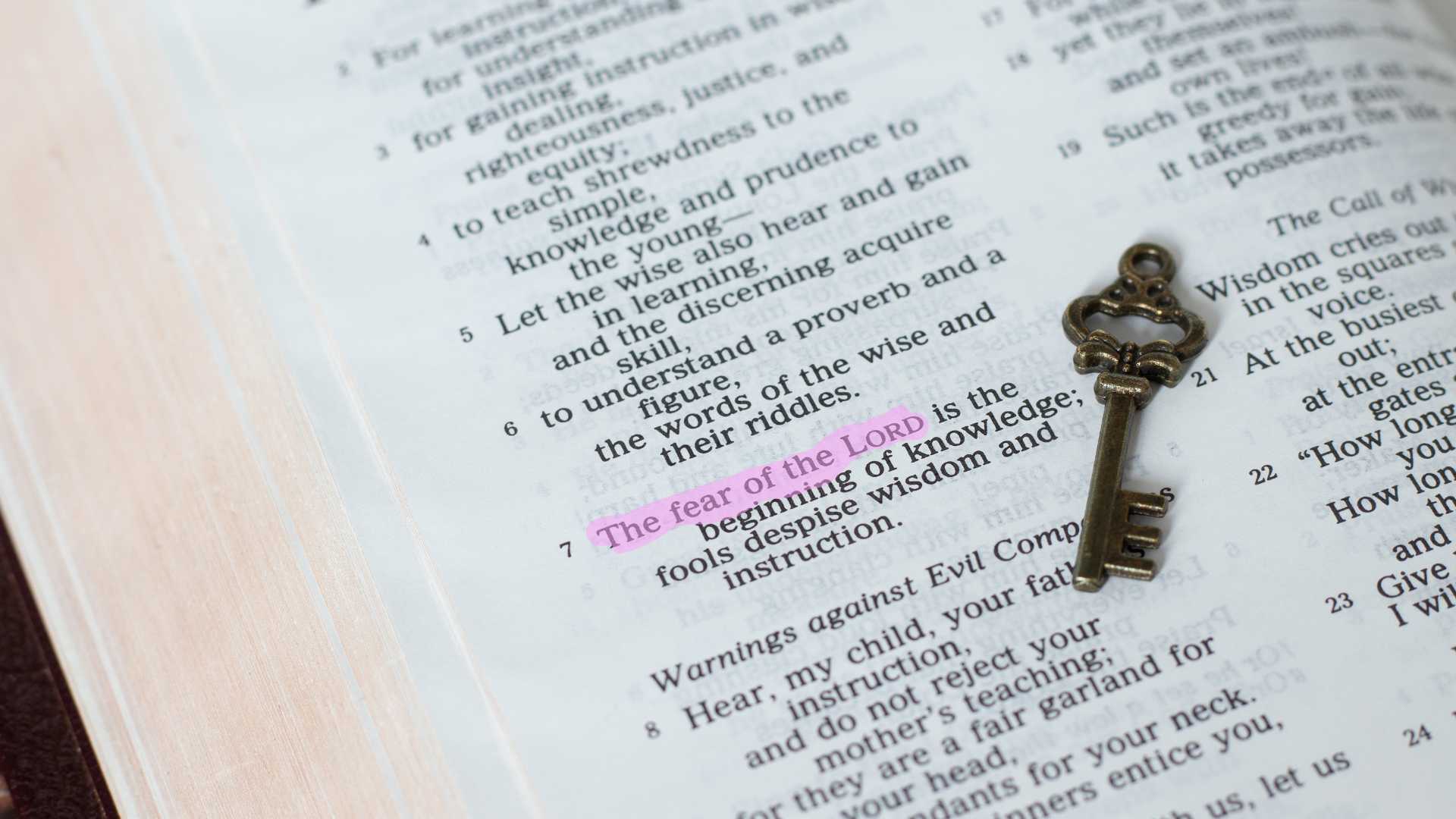
Dear reader, obedience to God’s commands is what truly distinguishes us as His children. The Bible reminds us that even demons believe that Jesus is the Son of the living God, yet they refuse to obey him (James 2:19).
Throughout history, many institutions, governments, and individuals have attempted to instill fear in people to gain control and influence. However, such fear does not produce the holy reverence that leads to a life of godliness. Instead, it often leaves people feeling hopeless, disappointed, and confused.
But in the Kingdom of God, the genuine fear of the LORD leads to willing and joyful obedience. When we fear God, obeying His commands becomes a delight. As it is written, those who delight in the commands of the LORD are like trees planted by streams of water; they prosper in all they do (Proverbs 1:2-3).
2 Chronicles provides a powerful example in King Uzziah, who feared and obeyed the LORD, demonstrating the blessings that come from reverence and obedience to God.
2 Chronicles 26:5 NLT
Uzziah sought God during the days of Zechariah, who taught him to fear the LORD. As long as the king sought guidance from the LORD, God granted him success.
If God’s purpose is for all people to fear Him, this also implies that God desires for us to prosper. It is through fearing God and obeying His commands that we experience blessings and abundant success in life.
Deuteronomy 28:1 affirms this:
“If you fully obey the LORD your God and carefully keep all His commands that I am giving you today, the LORD your God will set you high above all the nations of the world. You will experience all these blessings if you obey the LORD your God.“
The remainder of Deuteronomy 28 continues to detail the blessings that accompany faithful obedience to God’s commands.
4. Obeying God’s Commands Glorifies The Father
All men and women in Scripture who followed God’s commands eventually brought glory to God. Jesus prayer reveal that all the words he spoke, acts he performed and more, where to bring glory to the Father.
John 17:4 NLT
I brought glory to you here on earth by completing the work you gave me to do
Solomon, the richest man of his time, pursued every form of life’s pleasure, yet none brought him the lasting joy and fulfillment he sought. Therefore, dear reader, true fulfillment is found in fearing and obeying the LORD.
Those who fear God but do not obey Him are likened to demons, who acknowledge that Jesus is the Son of God yet choose not to obey Him.
When we obey, we receive all that satisfies our innermost needs. The world is on a pursuit for money, fame, and more, but our pursuit to glorify God by obeying His word grants us fulfilment, direction, peace, joy, prosperity, blessings, wisdom and much more!
5. Final Remarks On Fear The LORD
God’s purpose is that all people should fear Him, and ultimately, every knee will bow and every tongue will confess that Jesus Christ is Lord. The fear of the LORD leads us to obey His commands, and in following them, we experience great success that brings glory to Him.
He inspires holy fear through miraculous signs and by answering prayers that require divine intervention. These acts evoke profound awe and reverence, drawing people into a sincere pursuit of God. This pursuit culminates in a genuine fear and honor of the LORD, resulting in the glorification of His name throughout the earth.
Add a Comment